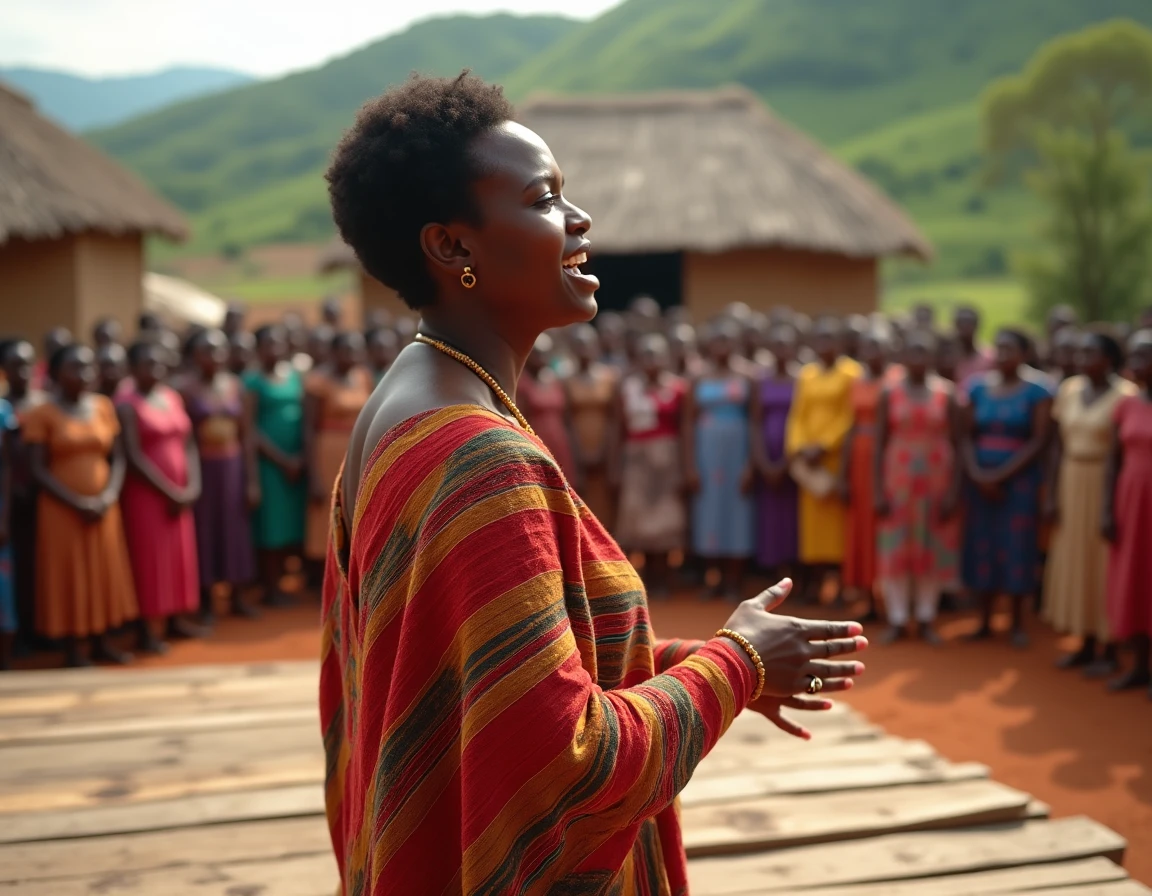
The word “gasy” simply means “Malagasy” in the Malagasy language. It refers to both a people, a way of life, and a set of traditions passed down for centuries on the Great Island. Understanding gasy culture means entering a universe where music, rites, and community solidarity form an inseparable whole.
Musician-Farmers and the Malagasy Music Scene Economy
Have you heard of hira gasy, the musical performance from the Highlands? Its performers are not full-time artists. The Philharmonie de Paris refers to them as “artist-farmers” in its documentary notes. Specifically, these musicians cultivate the land for a large part of the year and take to the stage during ceremonies, festivals, or family gatherings.
This dual status is not a romantic choice. The weakness of social protections limits the professionalization of musicians in Madagascar. Live music venues remain scarce, and employment regulations in these structures do not encourage the creation of stable positions. The result: the majority of traditional musicians derive most of their income from another activity.
This point is largely overlooked by cultural guides aimed at travelers. They celebrate the richness of the Malagasy repertoire without mentioning the conditions under which it is perpetuated. A portal like Gasy allows for following Malagasy cultural news beyond tourist clichés, giving visibility to these ground realities.
Valiha, Tsapiky, Hira Gasy: Malagasy Musical Genres and Their Roots
Malagasy music does not form a homogeneous block. Each region of the island has developed its own style, linked to its history, climate, and instruments.
The Hira Gasy of the Highlands
The hira gasy is a total spectacle. It combines singing, dancing, moral speeches, and traditional costumes. Historically practiced in the Imerina region (around Antananarivo), it served to transmit collective values: respect for ancestors, mutual aid, attachment to the land.
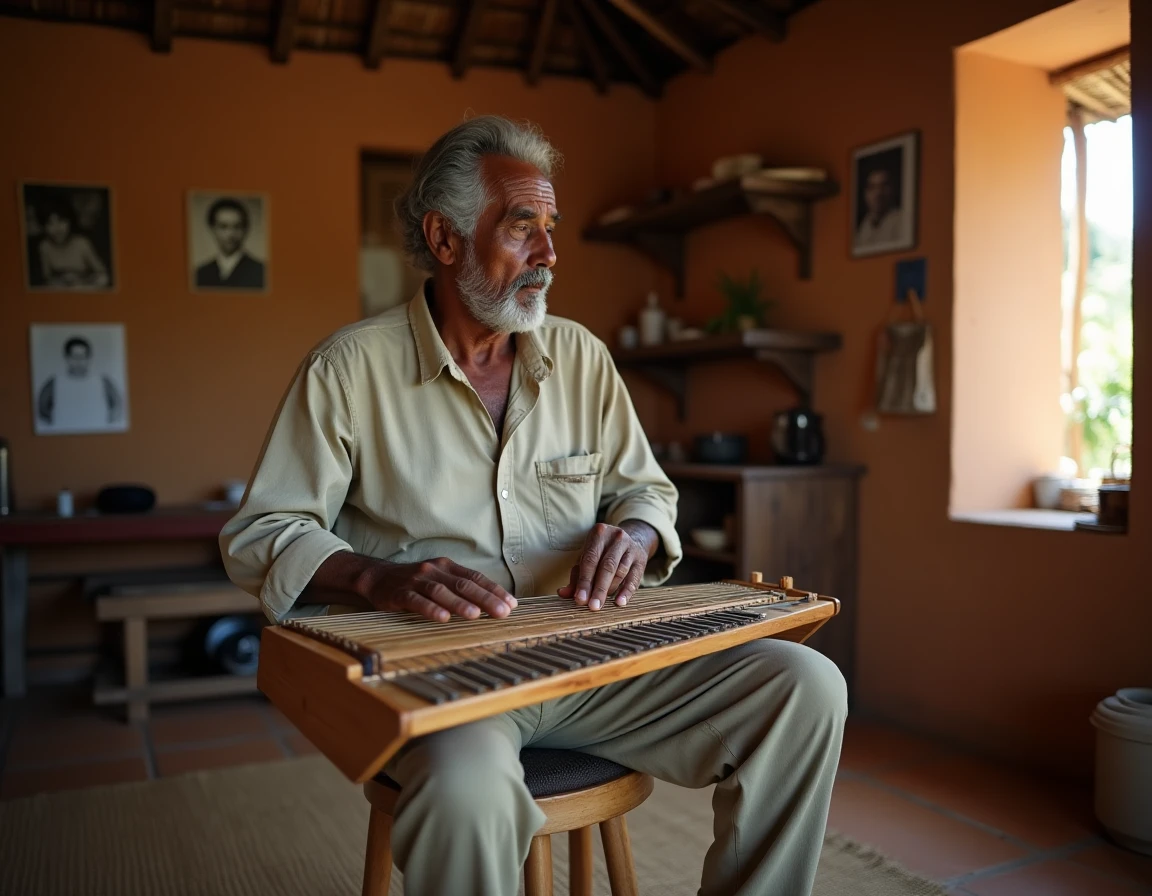
The hira gasy functions like an open-air musical theater. Two troupes compete in a codified exchange where the sung word carries as much weight as the melody. The central instrument is often the valiha, a bamboo tube zither of Austronesian origin, considered the national instrument of Madagascar.
The Tsapiky of the South
The tsapiky comes from the Tuléar region in southern Madagascar. Its fast tempo, distorted electric guitars, and percussion make it a popular party music. It accompanies both funeral ceremonies and joyful celebrations, which may surprise an outside listener.
The tsapiky illustrates a fundamental trait of gasy culture: music accompanies every stage of life, including death. This link between music and funeral rites exists in several regions of the island, in very different forms.
Crossed Influences
Malagasy music bears the mark of multiple influences:
- Austronesian heritage from Southeast Asia, visible in instruments like the valiha and certain pentatonic scales
- African contributions, particularly in the percussion and polyrhythms of coastal regions
- European borrowings integrated since colonization, such as the accordion or acoustic guitar, which have become common instruments in the popular repertoire
Malagasy Musical Renewal: Between Rap, Amapiano, and Traditional Heritage
The contemporary Malagasy music scene is going through a period of creative tension. A new generation of artists explores rap, amapiano, or afrobeats, often in Malagasy, sometimes in French. These genres circulate massively via social media and streaming platforms.
In response to this wave, groups like Maroozik are making the opposite choice. Based in Ambohidratrimo, a commune surrounded by rice fields near Antananarivo, their five musicians and four singers in their twenties compose from traditional Malagasy rhythms. Their uniqueness: integrating ancestor worship and fady into their lyrics.
The fady are cultural and spiritual prohibitions deeply rooted in Malagasy society. In Maroozik’s lyrics, they take on an ecological dimension: the texts remind that it is forbidden to pollute water, to destroy forests, in accordance with the teachings of the ancestors. This blend of spiritual tradition and environmental concern gives the group a unique identity in the musical landscape of the Great Island.
Digital Archives and Preservation of Gasy Musical Heritage
Oral transmission, which has long sufficed to keep the Malagasy repertoire alive, shows its limits in the face of rapid urbanization and the decline of certain ritual practices. In recent years, digital archiving projects have attempted to document this heritage before it fades away.
Video recordings and field recordings feed collaborative databases. The Philharmonie de Paris participates in this effort by documenting musical formations, performance contexts, and the socio-economic conditions of Malagasy musicians. These resources go far beyond a simple sound catalog: they describe the living conditions of the performers, their incomes, their constraints.
The stakes go beyond conservation. These archives also allow for the creation of payment circuits for musicians who receive little (or nothing) from the distribution of their works. A musician-farmer whose repertoire is recorded and distributed online should be able to earn an income from it. This is still a largely open project.
- Field recordings document performance contexts that are disappearing with urbanization
- Collaborative databases allow researchers and musicians to cross-reference their knowledge
- The issue of artist remuneration remains the weak point of these initiatives
Gasy culture is not limited to a frozen folklore. It transforms, adapts, digitizes, sometimes amid economic hardship. Between a group like Maroozik that reinvents tradition and archiving projects that attempt to fix it, Madagascar builds a living relationship with its musical heritage, far from tourist summaries.