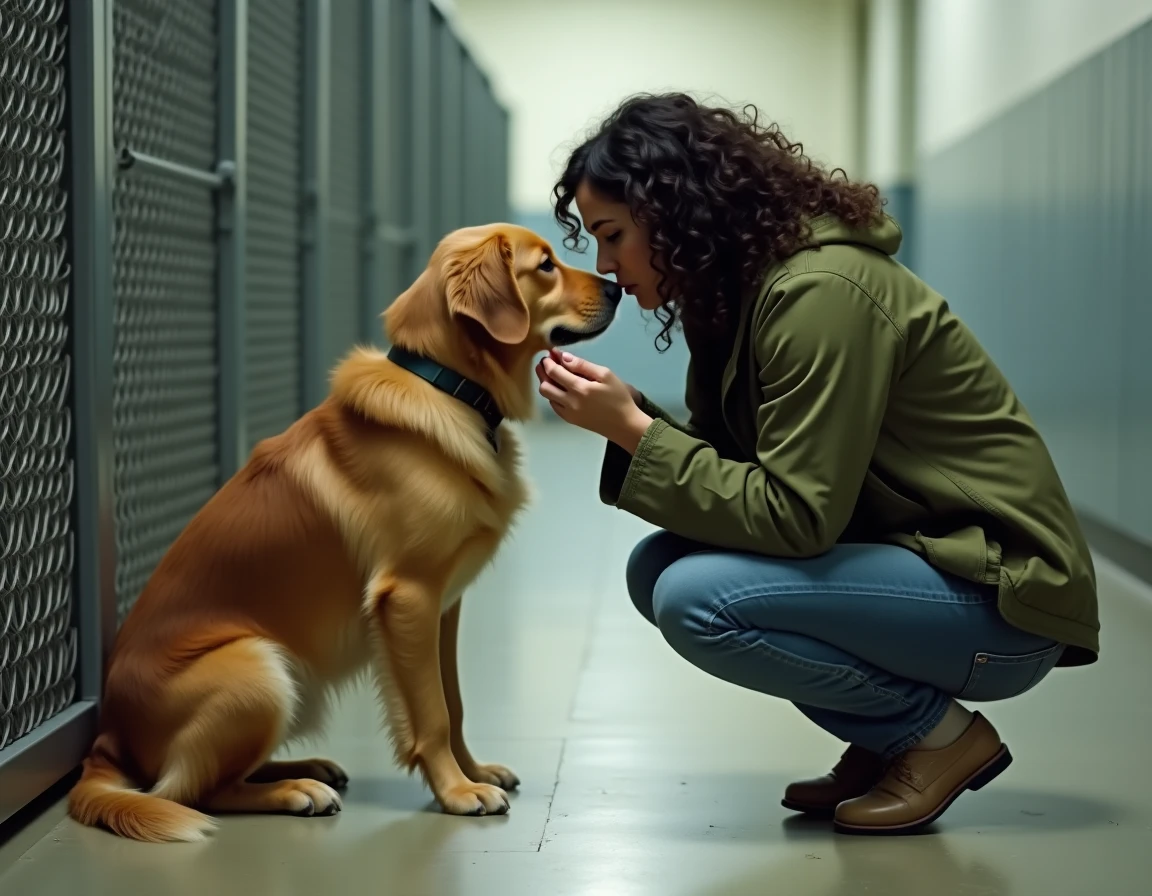
In France, an abused pet can be seized by law enforcement, placed in a shelter, and its owner prosecuted. For a broiler chicken raised in an industrial setting, the situation is radically different: practices that cause chronic stress and physical injuries remain legal as long as they comply with minimal standards that are often deemed insufficient. This discrepancy between domestic animals and farm animals structures a large part of the current battles for animal rights.
Turbopoultry and intensive farming: what field investigations reveal
The Animal Rights, Ethics and Sciences Foundation (LFDA) dedicated an investigation to the phenomenon of turbopoultry in its quarterly review No. 126. The term refers to broiler chickens genetically selected to reach slaughter weight in record time. The consequences on animal welfare are documented: locomotor problems, heart failures, skin lesions related to density in housing.
This type of investigation highlights a point often absent from general debates on animal protection in intensive farming: current regulations set density thresholds and minimum conditions, but do not prohibit ultra-fast-growing strains. Field associations, by documenting these concrete realities, build an argument that goes beyond mere emotional outrage. To delve deeper into these issues, Animal Liberation’s content details the various forms of mobilization in favor of animals.
Opinions vary on this point, but several veterinarians and researchers believe that only a change in genetic strains would truly reduce suffering in these sectors, far beyond regulatory adjustments on density or enrichment of housing.
Animal law in Europe: university programs that change the game
Defending animal rights is no longer solely the domain of associative activism. Since the early 2020s, French universities have structured programs dedicated to the relationship between humans and animals. Rennes 2 University offers a University Diploma “Animals and Society” that covers the history of speciesism, animal ethics, and contemporary legal issues.
This institutionalization has a concrete effect: it trains lawyers, animal health professionals, and public agents capable of bringing cases before the courts or drafting legislative proposals based on solid foundations. We are moving from an emotional register to a technical register, and that is what shifts the lines.
The role of the European Institute for Animal Law and Policy
At the European level, the European Institute for Animal Law and Policy publishes legal analyses and monitors the evolution of animal protection laws in each member country. Their work allows for comparisons of legislation and identification of the most effective levers.
The legal status of animals still varies greatly from one state to another. This formal recognition of animal sensitivity in certain civil codes has not automatically led to new criminal sanctions. In other European countries, the notion of animal legal personality is the subject of active academic debates.
Concrete actions for species protection and animal welfare
When it comes to acting for animal rights, the list of possibilities may seem abstract. Here are the levers that produce measurable results on the ground:
- Report cases of abuse to departmental veterinary services or authorized associations. A documented report (photos, dates, testimonies) significantly accelerates procedures.
- Financially support or volunteer at shelters and associations that care for seized animals, whether they are dogs, cats, or farm animals.
- Adapt consumption practices by checking animal welfare labels on animal products, keeping in mind that not all labels guarantee the same level of requirement.
- Participate in public consultations on regulatory texts related to farming, transport, or animal experimentation. These often-overlooked consultations allow citizens to directly influence the drafting of standards.

Associations and advocacy: a long-term effort
Associations like the LFDA or Argos 42 combine fieldwork (rescue, housing) and legal advocacy. This dual grounding is crucial. A shelter that documents the conditions in which animals arrive directly feeds into cases brought before the courts or parliamentary committees.
Respect for animal welfare is also progressing through pressure exerted on distributors and agri-food brands. Several retailers have modified their supplier specifications as a result of targeted campaigns, proving that consumer mobilization influences farming practices.
Environment and animal rights: interconnected struggles
The destruction of natural habitats, accelerated by climate change and soil artificialization, directly threatens the lives of wild species. Defending the rights of wild animals also means defending their environment. The two causes mutually reinforce each other.
This is evident with pollinators: their decline affects human food production as much as biodiversity. Protecting these species is not just a matter of compassion; it is a public health and food security issue.
The defense of animals, whether they are pets, farmed, or wild, now relies on stronger legal tools, structured university training, and field investigations that document what regulation still struggles to address. It is the combination of law, science, and fieldwork that advances practices, not any of these levers in isolation.