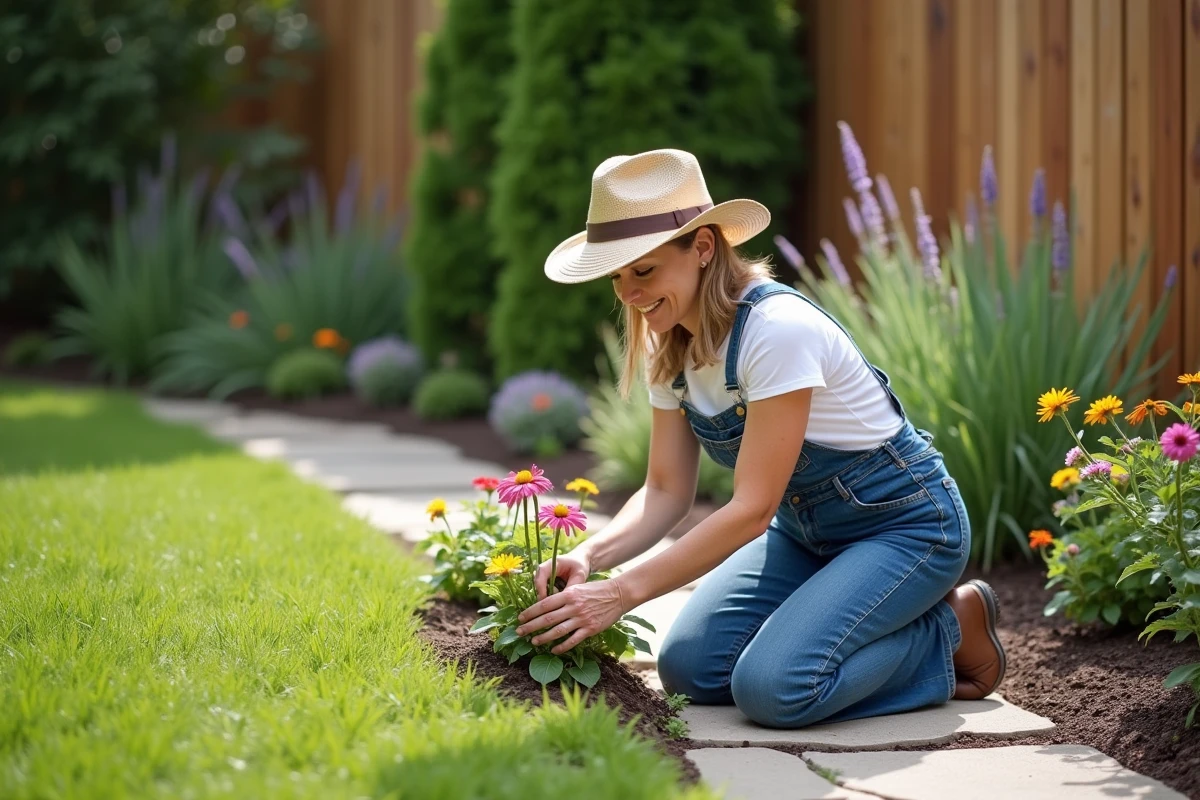
A fig tree can thrive in rocky soil while a rose bush, despite being known for its robustness, struggles just a few meters away. Mulching, a gesture often limited to watering, operates on another level: it disrupts the routine of pests, slows their progression, and profoundly alters the dynamics of the garden.
Forgetting about plant associations means missing out on a powerful lever. By wisely pairing species, one can make the most of every nook and boost the vigor of the soil. Nothing is set in stone: what works today can be reinvented tomorrow, provided one observes, adapts, and anticipates the rhythm of nature.
Understanding your garden’s needs for successful landscaping
Every garden has its own personality, shaped by the climate, soil type, and sunlight it receives. Before laying the first stone or planting the first perennial, it’s best to take the time to explore the terrain. Clay, sandy, or loamy soil will yield different results with various species: choosing garden plants that are suitable is already preparing the ground for success. A flowerbed that receives full sun all day does not require the same maintenance or plant selection as a shaded area.
To harmoniously structure the space, a detailed plan is essential. Terrace, lawn, vegetable garden, relaxation area, or playground: each function deserves its place. The budget and available time are also guiding factors: perennials to reduce maintenance workload, a garden greenhouse for enthusiasts who like to closely monitor their harvest.
Thinking about the garden also means defining a garden style that aligns with your desires: contemporary, rustic, English… The final result depends on how paths, garden sheds, and living spaces are connected. Drawing inspiration from practical tips for selecting varieties that match the climate, organizing the terrain, and planning care makes all the difference.
For those who want to go further, visiting Conseil au Jardin provides access to reliable methods for the design of your garden and optimal maintenance of your green spaces.
What ecological solutions to adopt for easy maintenance of your green spaces?
Reducing the impact of gardening on the planet involves ecological solutions that simplify life and promote lighter maintenance throughout the year. Mulching, for example, involves covering the soil with organic or mineral materials. This simple act slows the growth of weeds, retains moisture for the plants, and forms a natural shield against the cold. The soil remains alive, microorganisms thrive, and watering becomes less frequent.
Drip irrigation has become essential when water is scarce. By precisely targeting the roots, it avoids waste, limits evaporation, and allows for controlled resource management. In automatic mode, it frees up time without sacrificing the health of the crops. For mowing, a robotic mower provides a regular cut and incorporates mulching: the cut grass remains in place, nourishes the soil, and protects the lawn.
Here are some practices that make gardening smoother and more respectful:
- Simplify leaf collection with a blower: speed, less effort, clear results.
- Invest in sturdy, ergonomic gardening tools suited to your needs to protect the soil and limit unnecessary actions.
- Prefer permeable pavements to promote water absorption and limit runoff.
By adopting these methods, the garden becomes part of a sustainable, easy-to-manage dynamic that aligns with a modern lifestyle. Your green spaces gain vitality while remaining welcoming and easy to enjoy.

Concrete tips for a beautiful, sustainable garden suited to your daily life
To reconcile aesthetics and practicality, everything starts with thoughtful planning. Identify the uses: dining area, playground, peaceful retreat, or vegetable garden. By delineating each space with flowerbeds, hedges, or trellises, you preserve privacy without sacrificing light and facilitate movement.
The choice of garden furniture deserves consideration. Opt for materials that withstand the whims of the weather and integrate harmoniously: aluminum for its lightness, wood for its warm touch, wicker resin for minimal maintenance. A strategically placed sun lounger, a friendly coffee table, a few colorful cushions, and lanterns: conviviality comes effortlessly.
To make the most of your outdoor space, here are some ideas to implement:
- Dress a pergola or trellis with climbing plants to modulate light and structure the space.
- Create flower beds by combining perennials, shrubs, and grasses: the visual effect is guaranteed, and maintenance is reduced.
- Install a vegetative fence or screening slats to preserve the tranquility of the garden.
Between a lush English garden and a minimalist zen garden, inspiration abounds. By playing with blooms, foliage textures, and volumes, one can create a garden that is welcoming, vibrant, and pleasant, season after season.