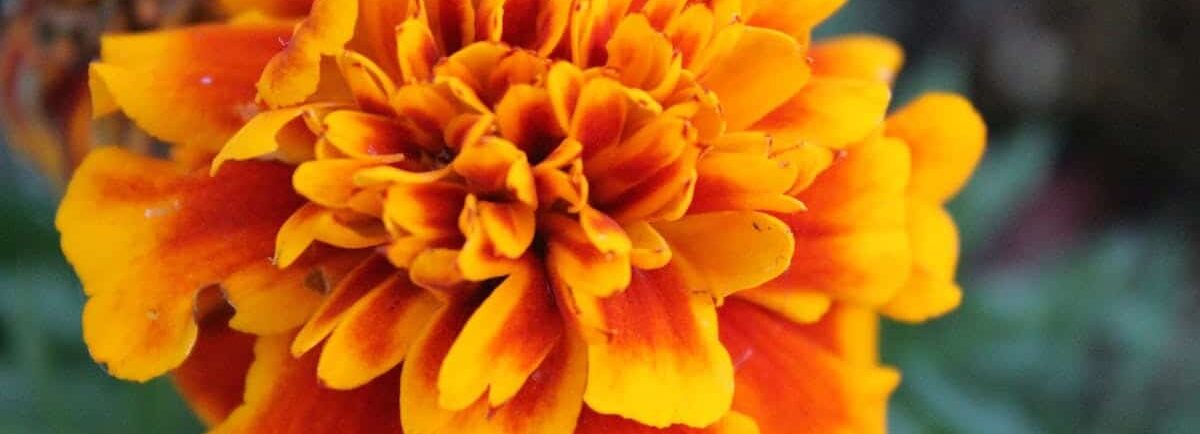
Imagine a corner of your garden that could thrive with the beautiful shades of gold and red from marigolds. Have you ever considered sowing them yourself? These flowers, both beautiful and hardy, are also known for their pest-repelling properties. They can not only beautify your green space but also protect it. Here is a practical guide to planting your own marigolds and giving new life to your garden. Follow these simple and precise steps for a successful bloom.
Prepare the soil for marigolds: tips and tricks!
You may be wondering: ‘When to sow marigolds in 2023?’ Although each year may vary slightly depending on weather conditions, a general gardening calendar can be helpful.
Marigolds are typically sown between March and June. The key to perfect timing lies in the soil temperature: these flowers prefer to germinate when the soil has reached a stable temperature between 15 to 20 degrees Celsius. Additionally, they need a good amount of light to thrive.
If your region experiences particularly cold or long winters, we recommend waiting until late April or even early May before starting to sow your marigolds in 2023. For those living in milder climates, you can start indoors about six to eight weeks before the expected date of the last spring frost.
It is crucial to note that each variety has its own specific needs in terms of optimal growth; always take care to read the instructions provided with your seeds carefully before planting.
Now that we have established when exactly to sow these beautiful flowers in 2023, let’s move on to the “how.” Ensure that your plot is well-prepared with fertile, well-draining soil and a slightly acidic neutral pH (between 6 and 7). Enrich it with compost or decomposed manure to promote vigorous growth.
Once the ground is ready, dig shallow furrows spaced about thirty centimeters apart and gently place your seeds in them. Keep the soil moist but avoid excess as this could lead to seed rot.
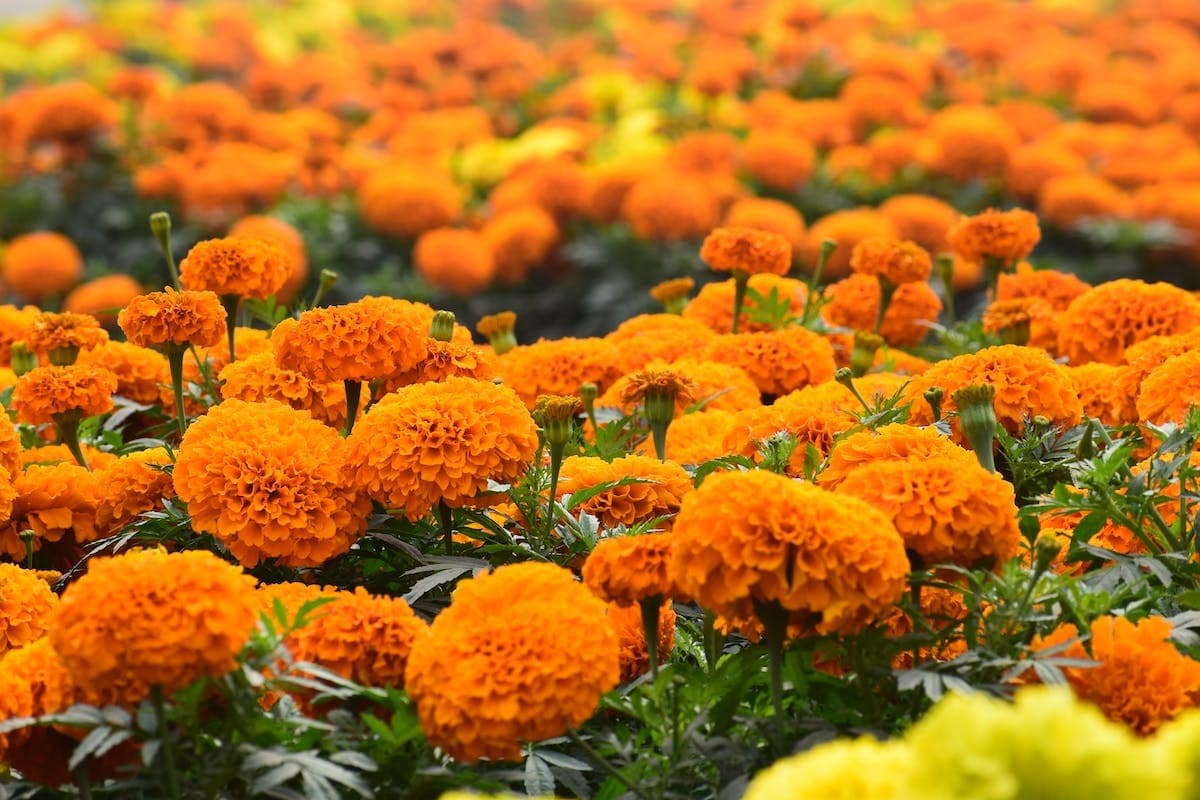
Everything you need to know about sowing marigolds
Once your marigolds have germinated, be sure to care for them properly to ensure abundant blooming. Here are some practical tips for taking care of these beautiful flowers.
Make sure to provide marigolds with regular and moderate watering. The soil should remain slightly moist but not soggy. Avoid standing water that could promote the development of fungal diseases. Mulching around the seedlings can help retain soil moisture and prevent weeds.
Regarding fertilization, a weekly or bi-weekly application of a balanced fertilizer will be beneficial to stimulate growth and promote optimal blooming. Choose a fertilizer containing essential nutrients such as nitrogen, phosphorus, and potassium.
During the active growing period, it is recommended to pinch the tips of the stems to encourage branching and achieve a more compact plant with more flowers. This technique also helps to remove faded flower buds to encourage the continuous production of new blooms.
If pests such as aphids or caterpillars appear, use natural methods like organic insecticides or introducing insectivores into your garden to control these pests without resorting to harmful chemicals.
Be sure to monitor for any diseases such as powdery mildew or root rot. If you notice abnormal symptoms on your seedlings, remove the affected parts and treat them with an appropriate fungicide.
Don’t forget to consider the sun exposure when placing your marigolds in your garden. These flowers generally prefer sunny to partially shaded exposure to fully thrive.
By following these simple yet effective tips, you will fully enjoy the beauty and vigor of marigolds in your garden. Their varied palette of bright colors will illuminate your outdoor space throughout the summer season and also attract pollinators such as bees and butterflies.
Take care of your marigolds: maintenance and practical tips
When the marigolds are in full bloom, you can start harvesting their beautiful flowers. The ideal time for picking is usually in the morning when the flowers are fresh and their fragrance is at its peak.
Use clean, sharp garden scissors to gently cut the stems at the first junction with a leaf. Be careful not to damage neighboring seedlings during the harvest. Choose flowers that appear healthy and free from any disease or infestation.
Once your marigold flowers are harvested, you can enjoy them in your home by creating stunning colorful bouquets. Place them in a vase filled with clean water and change the water every two days to prolong their lifespan.
Marigold flowers can also be used in various craft projects, such as making floral crowns or decorative additions to dried flower arrangements. Simply hang the stems upside down in a dry, airy place for a few weeks until they are completely dried.
If you are a culinary enthusiast, know that some types of marigolds, particularly those with edible petals, can be added to your dishes to bring a touch of color and flavor. Their flowers, with a slightly spicy and peppery taste, can be used in salads, soups, or as a garnish on desserts.
Harvesting marigold flowers is a true delight for gardening enthusiasts. Not only will these beautiful flowers enhance your outdoor space throughout the summer, but they also offer a multitude of creative and culinary uses.
Harvest and use marigold flowers in your garden: ideas and tips
Marigolds are also known for their repellent properties, making them a smart choice for protecting your garden from pests. Their flowers emit a powerful scent that repels persistent insects like aphids or slugs, thus limiting the use of pesticides.
To fully enjoy these benefits, you can create borders of marigolds around your flower beds or between your vegetables to deter unwanted pests. You will quickly find that your garden is less prone to attacks and will grow healthier thanks to the vigilant presence of marigolds.
In addition to their protective role, these flowers also provide valuable ecological contributions to your outdoor space. They attract various pollinators such as butterflies and bees with their abundant and colorful nectar. By providing a nourishing source for beneficial insects in your garden, you contribute to preserving biodiversity and fostering a balanced local ecosystem.
Don’t forget that sowing marigolds provides unparalleled visual pleasure throughout the process: from germination to the full blooming of the vibrant flowers. Their vibrant palette combining bright red, golden yellow, and fiery orange will surely brighten your outdoor space. Growing marigolds in your garden is a complete adventure, allowing you to enjoy the beauty and timeless charm of these iconic flowers.
By following the recommended steps for sowing marigolds and taking care of their specific needs, you will be rewarded with a dazzling floral display. So, what are you waiting for? Dive into the adventure now and let your garden flourish with the vibrant and captivating energy of these wonderful flowers.