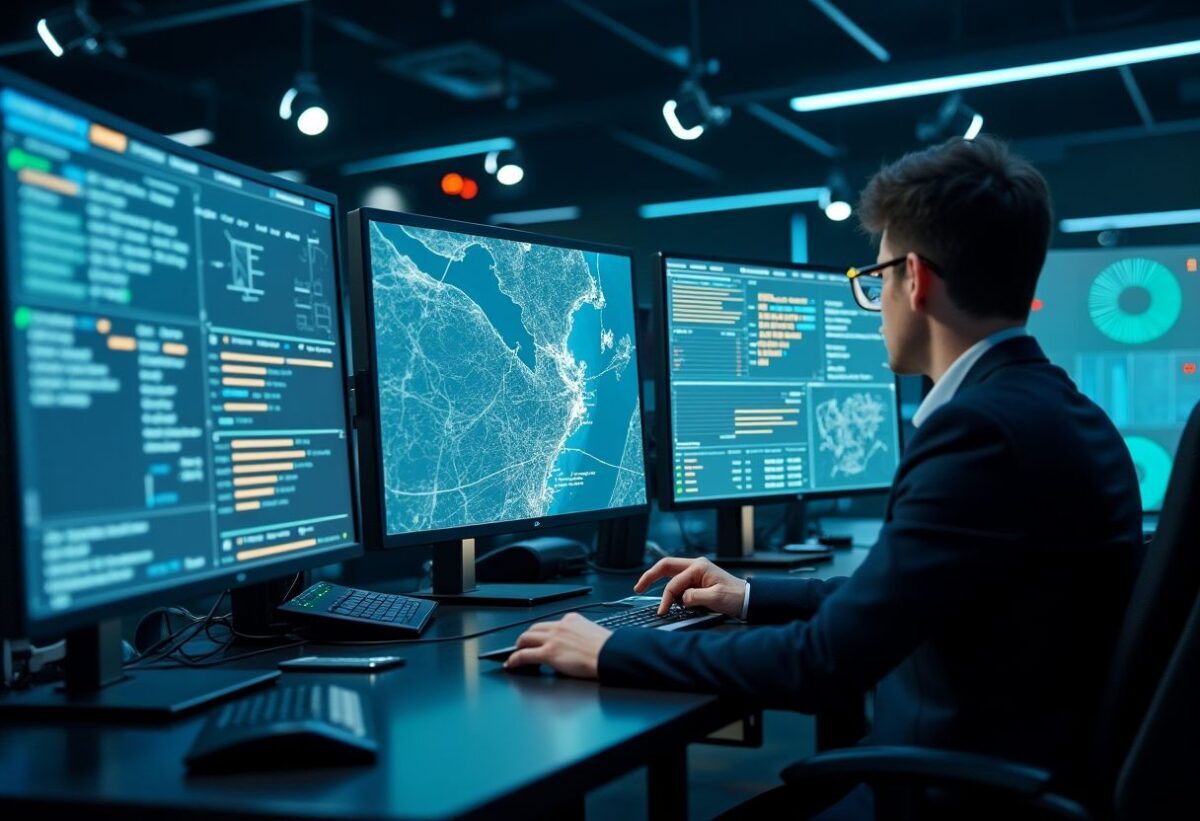
In an increasingly connected world, companies are constantly seeking to optimize their operations to remain competitive. Fleet management, which was once a complex and manual process, has transformed into a strategic discipline thanks to the integration of advanced technologies. Fleet tracking now represents an essential asset for companies looking to maximize efficiency, reduce costs, and improve safety.
The technological evolution in fleet tracking
Technology has transformed fleet tracking by integrating innovations that were merely futuristic visions a few decades ago. This evolution has improved the management and efficiency of operations.
- Real-time geolocation: Thanks to advanced GPS systems, managers can monitor the position of each vehicle instantly. This not only optimizes routes but also allows for quick reactions in case of emergencies.
- Advanced telematics: The data collected goes beyond simple location tracking. Telematics provides crucial information on fuel consumption, engine status, and even driving habits. This data helps reduce operating costs and extend the lifespan of vehicles.
- Integration of IoT systems: The Internet of Things (IoT) has opened new possibilities for fleet tracking. IoT sensors installed in vehicles collect and transmit data in real-time, facilitating proactive maintenance and efficient resource management.
Impact on operational efficiency and costs
Implementing an effective fleet tracking system directly influences the profitability and productivity of companies. Resource optimization and cost management become determining factors.
Tracking technologies allow managers to reduce unnecessary fuel expenses through better route planning and by identifying inefficient driving behaviors. They also help decrease maintenance costs by anticipating repairs through precise monitoring of vehicle conditions.
Moreover, analyzing the collected data allows for adjustments in strategies to improve the overall performance of fleets. This approach contributes to a more responsible and eco-friendly use of vehicles.
Enhancing safety and compliance
Another fundamental aspect of fleet tracking is the improvement of safety and legal compliance of fleets. By integrating these technologies, companies can prevent incidents and ensure strict compliance with regulations.
- Monitoring driving behaviors: Managers can analyze in detail the driving style of each driver. This includes speed, sudden braking, and other risky behaviors. By correcting these habits, companies reduce accidents and increase safety.
- Alert systems: Real-time alerts for speeding, upcoming maintenance visits, or deviations from the planned route are essential for proactive and reactive management.
- Regulatory compliance: Tracking systems help companies comply with laws regarding driving time, mandatory breaks, and other requirements. This avoids costly fines and protects the company’s reputation.
Environment and sustainability: a renewed commitment
Companies are increasingly aware of their environmental responsibility. Fleet tracking plays a significant role in reducing carbon footprints and promoting sustainable practices.
The collection of precise data allows managers to analyze the ecological footprint of their fleet, identify the most polluting vehicles, and take measures to reduce emissions. For example, the adoption of electric or hybrid vehicles can be motivated by the results of fleet tracking analyses.
Furthermore, optimizing routes and improving energy efficiency directly contribute to reducing fuel consumption and thus greenhouse gas emissions.
Companies can thus fully assume their role in the ecological transition and meet the growing consumer expectations regarding sustainability.