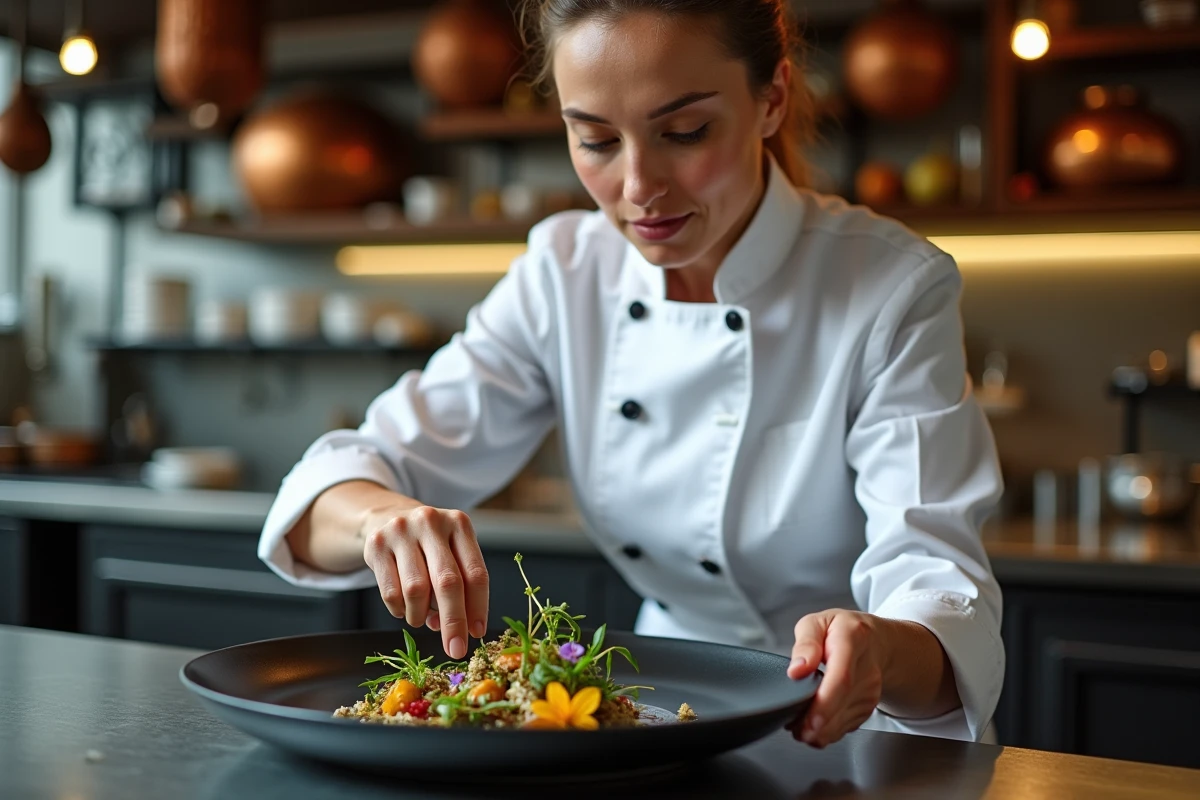
Which culinary trends truly deserve attention this season, and which are merely passing fads? Between the massive return to homemade techniques, the consolidation of certain world cuisines, and the emergence of meals as a global experience, this season’s culinary innovations outline foundational lines that simple lists of trendy ingredients cannot capture.
Korean cuisine, fermentation, and homemade techniques: three culinary trends compared
Not all trends progress at the same pace or with the same potential for sustainability. The table below compares three structuring movements of this season based on criteria rarely paralleled.
| Trend | Maturity | Accessibility at home | Presence in restaurants |
|---|---|---|---|
| Korean cuisine (banchan, spicy sauces, fried chicken) | Heavy trend, confirmed by the Food Trends 2026 exhibition | Medium (sometimes specific ingredients) | Strong, expanding beyond major cities |
| Fermentation and pickles | Established for several seasons | High (achievable with minimal equipment) | Present mainly in bistronomy |
| Relearning homemade techniques (bread, broths, preserves) | In full acceleration | Very high | Low (domestic logic) |
Korean cuisine stands out for its trajectory. The Food Trends 2026 trade show designates it as the big winner among emerging cuisines, surpassing the stage of mere trend to establish itself sustainably. Korean street food, banchan, and fermented spicy sauces now permeate menus well beyond specialized restaurants.
Among the new offerings on La Cuillère aux Mille Délices, several recipes illustrate this permeability between Korean gastronomy and everyday cooking, proving that the movement extends beyond the confines of restaurants.
Relearning kitchen skills: the trend that ingredient lists don’t show
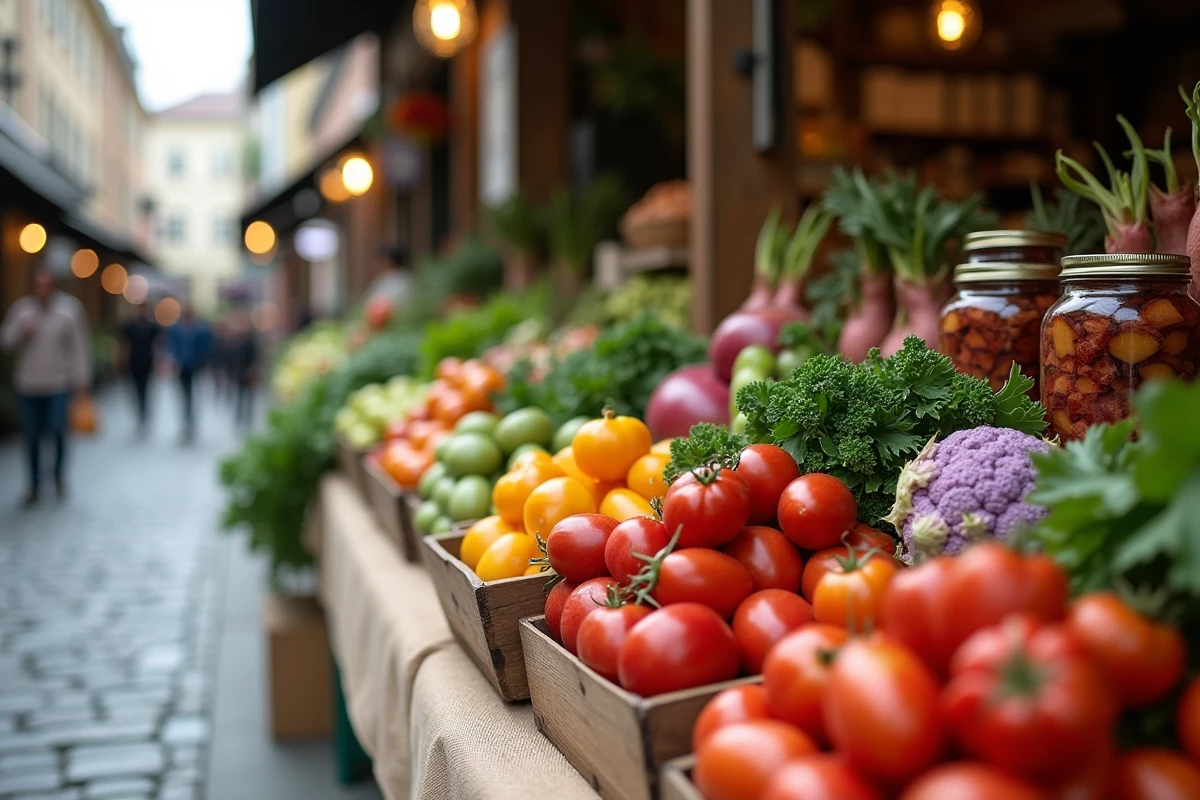
Most culinary trend articles focus on the dishes or flavors of the moment. They overlook a deeper movement: the relearning of basic techniques at home. Making your own bread, crafting broths, preparing preserves: this educational approach transforms the relationship with cooking more than a trendy ingredient does.
This phenomenon is not limited to nostalgia for homemade food. It represents a true transfer of skills, where once-common actions (reducing a sauce, fermenting vegetables, working with sourdough) become sought-after knowledge again. The technical dimension takes precedence over the photogenic result.
Most sought-after homemade techniques this season
- Natural sourdough bread-making, which requires understanding fermentation times and hydration, not just following a recipe
- Making long broths (poultry, roasted vegetables, bones) as a base for complete dishes, replacing industrial cubes
- Homemade lacto-fermented preserves (pickles, kimchi, sauerkraut), accessible with a jar, salt, and patience
- Classic mother sauces (béchamel, velouté, tomato) reappropriated without shortcuts
On the other hand, dehydration, sometimes cited as an anti-waste trend, remains marginal at home due to a lack of suitable equipment. The accessibility of materials determines the actual spread of a technique, much more than its visibility on social media.
Immersive culinary experiences: when the meal becomes a spectacle
This season’s culinary innovation is not only played out on the plate. Restaurants are developing concepts where the meal is coupled with a complete experience: entertainment, participatory workshops, room scenography, sometimes even live performances during service.
This structuring evolution transforms dinner into an entertainment product. The customer no longer just comes to eat: they participate, interact, and experience a scripted sequence around gastronomy. Chefs adopting this format do not settle for a classic tasting menu.
What distinguishes an immersive culinary experience from a simple themed dinner
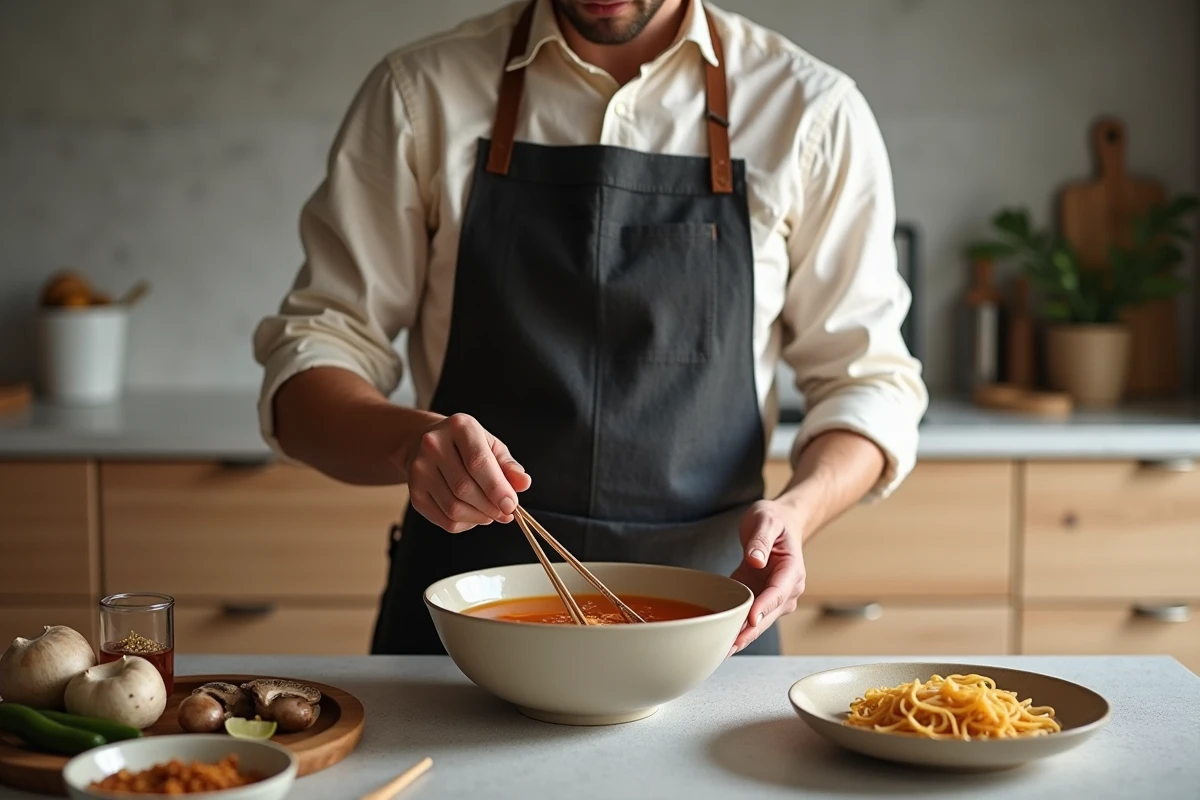
A themed dinner changes the decor and adapts the menu. An immersive experience alters the very course of the meal: the order of dishes may vary according to the diner’s choices, recipes are explained live, and the boundary between kitchen and dining room fades. Some concepts incorporate workshops where participants prepare an element of their own menu.
This trend meets a measurable expectation: consumers are increasingly seeking “the whole package,” a moment that combines taste discovery and entertainment. For restaurateurs, it is a lever for differentiation against the competition from delivery platforms, which cannot replicate this sensory and social dimension.
Fusion cuisine and new flavor pairings: what lasts and what fades
Fusion cuisine continues to produce hybrids (sushi-tacos, cabbage-kouign, baba in giant cake form). Not all are equal. Sustainable fusions combine complementary techniques, not just two catchy names. The combination of a French puff pastry with a spicy Korean filling works because the textures and temperatures interact. A simple collage of two popular recipes fades within a few months.
The chefs making their mark this season focus on the technical coherence of their fusions. A banh mi-burger, for example, holds together due to the contrast between the tangy Vietnamese pickles and the fat of the steak, not because of the novelty of the name.
This season’s star ingredients (pistachio, mushrooms in all their forms, collagen integrated into dishes) follow a similar logic. Their sustainable adoption depends on their ability to integrate into reproducible recipes at home, not just on restaurant plates.
Pistachios and mushrooms are establishing themselves in home kitchens because they are versatile: desserts, savory dishes, sauces, toppings. Collagen, on the other hand, remains confined to more niche uses, often limited to broths and dietary supplements.
The culinary trends that endure beyond a season share a common point: they change the way of cooking, not just what goes on the plate. Technical relearning, the consolidation of Korean gastronomy, and the transformation of the meal into a global experience meet this criterion. Innovations that change the technique last longer than those that change the ingredient.