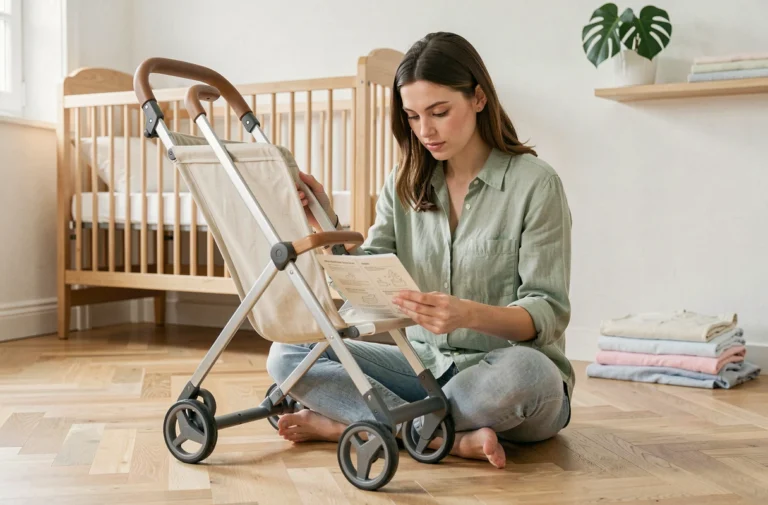
A fashion and parenting blog is based on a dual editorial foundation: on one side, content related to clothing style (looks, trends, piece selections); on the other, articles focused on family life (education, child well-being, daily organization). This combination attracts an audience of parents who seek to reconcile personal identity and family life, with concrete expectations regarding reliability and transparency.
Legal framework for collaborations on a fashion and parenting blog
Before browsing the sections of such a blog, understanding the regulatory framework allows for a better assessment of the quality of what one reads. The law of June 9, 2023, on commercial influence applies to any paid collaboration or one with a benefit in kind, regardless of the number of subscribers to the blog. A mom blogger who receives a free garment in exchange for an article must therefore include a visible mention such as “Advertisement” or “Commercial Collaboration”.
This obligation for transparency changes the reading of a fashion and parenting blog. A properly identified sponsored article remains useful, provided that the reader knows it is not a spontaneous opinion. The absence of mention serves as a warning signal regarding the editorial reliability of the site.
To explore the various sections of a blog that respects these requirements, the site maman-modeuse.com in detail offers a good overview of how fashion and family content can coexist within a clear architecture.

Fashion sections of a parenting blog: beyond seasonal trends
The fashion section of a blog aimed at parents does not operate like a traditional fashion magazine. The criteria for selecting clothing incorporate constraints specific to family life: practicality, easy maintenance, controlled budget. An outfit suitable for a day at the park with a baby has nothing to do with a runway outfit.
Clothing selections for moms and children
The most sought-after articles combine suggestions for mothers and children in the same post. This format addresses a frequent request: finding coordinated or complementary pieces without multiplying searches.
Matching mother-child looks represent a distinctive editorial format of these blogs. The content gains value when it specifies materials, available sizes, and price ranges, rather than limiting itself to inspiring photos without practical information.
Responsible fashion and second-hand
Children’s fashion generates a rapid turnover of wardrobes. Parenting blogs that address second-hand and sustainable fashion respond to a growing concern. Posts comparing resale platforms, wardrobe clear-outs, and eco-designed brands provide concrete help to parents mindful of their budget and environmental footprint.
Parenting content: what distinguishes a reliable blog from a generalist blog
The parenting section of a family blog covers a broad spectrum: education, health, activities, emotional management. The difference between a useful blog and an aggregate of platitudes lies in the depth of treatment and adherence to certain boundaries.
- Articles on children’s emotions gain credibility when they cite their sources (books, health professionals) rather than relying on vague formulas about kindness.
- Posts dedicated to creative or educational activities are more actionable when they specify the target age, necessary materials, and estimated duration.
- Health advice (sleep, baby nutrition, diversification) should refer to official recommendations rather than isolated experiences presented as general truths.
A parenting blog that mixes personal testimony and solid references offers a balance that the reader can verify. Testimony alone does not constitute advice; reference alone lacks experience. The combination of both creates value.

Protection of children’s images on a family blog
This aspect remains little addressed in most selections of parenting blogs, even though it directly affects the reader’s trust. Showing one’s child in monetized content entails specific legal obligations.
When a child appears in articles or photos related to a commercial collaboration, parents must regulate the use of their image. For minors under sixteen, commercial exploitation may fall under a declaration or approval regime, with protection of the income generated in the child’s name.
Editorial caution rules
Recent recommendations advise against publishing information that could identify or locate the child: school name, address, schedule habits. A rigorous fashion and parenting blog avoids putting the child directly in a position to promote a product.
These precautions do not only concern large accounts. Advertising transparency applies even to low-audience blogs, as long as a benefit in kind or remuneration is involved. The informed reader quickly spots a blog that takes these issues seriously: accessible legal mentions, clear identification of partnerships, blurred or absent children’s faces in sponsored content.
Tips for getting the most out of a fashion and parenting blog
The way to consult these blogs changes their usefulness. A few reading reflexes allow for extracting truly applicable advice.
- Check the publication date: a fashion article over two seasons old or a health post prior to a regulatory update loses relevance.
- Cross-check sources: an educational tip cited by several blogs with different references carries more weight than an isolated claim.
- Distinguish sponsored content from organic content: both can be useful, but the reading grid is not the same. A paid product test remains a biased opinion.
- Subscribe to the newsletter rather than social media: the blog article format generally offers more depth than posts on social platforms.
A well-constructed fashion and parenting blog functions as an editorial filter between the noise of social media and the concrete needs of parents. The quality of this filter depends as much on the blogger’s rigor as on the critical eye of the reader.