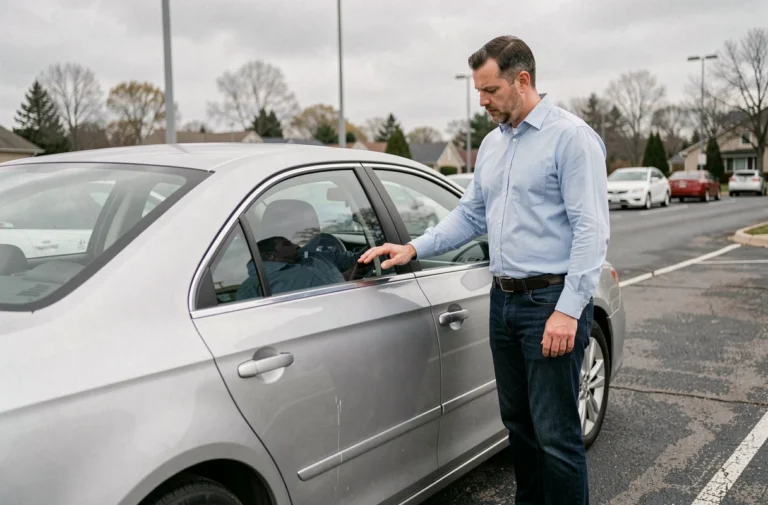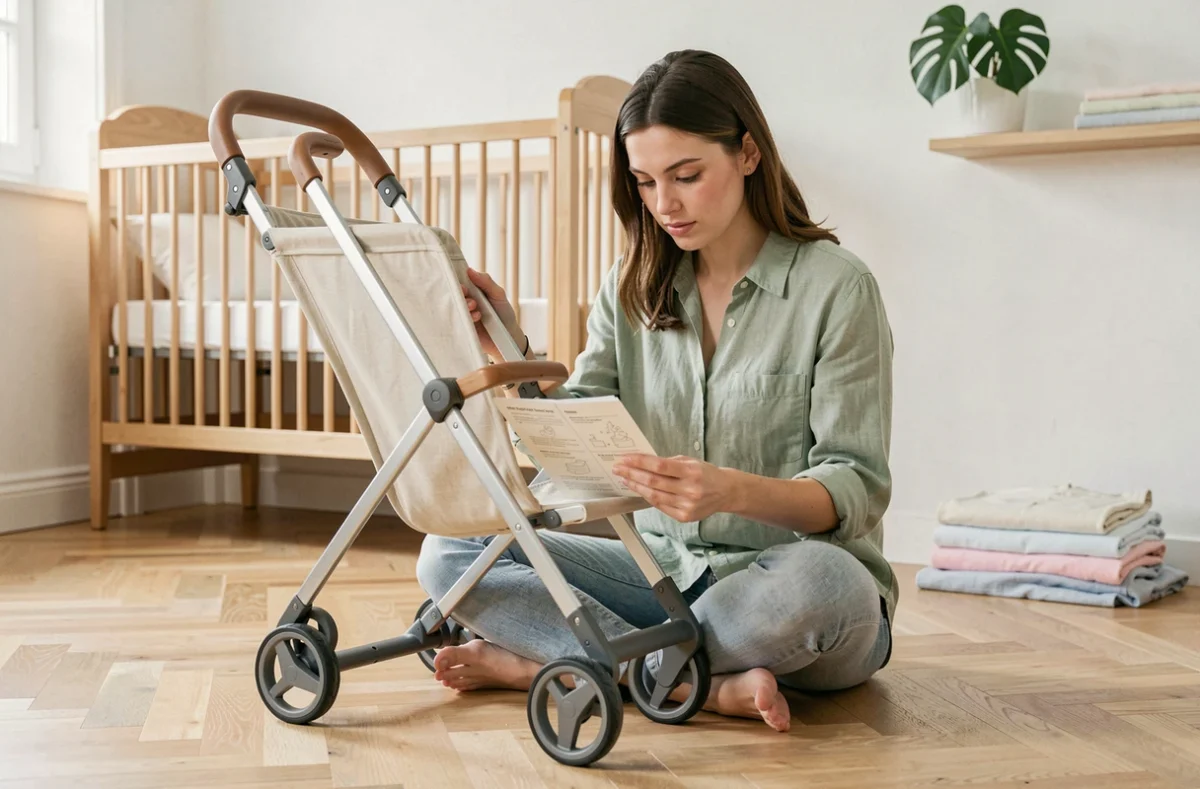
The French childcare industry is undergoing a phase of accelerated restructuring. Between a European regulation that redefines product traceability, marketplaces where compliance remains uncertain, and a market that compensates for the decline in births by moving upmarket, professionals in the sector are facing new technical trade-offs.
Regulation (EU) 2023/988 and Baby Equipment Traceability
The European regulation on general product safety, applicable since December 13, 2024, has profoundly changed the traceability obligations for childcare equipment. Every product placed on the market must now bear an identification that allows tracing the distribution chain back to the responsible manufacturer or importer.
For specialized manufacturers and distributors, this requirement goes beyond simple labeling. It involves the establishment of information systems capable of managing product recalls in a targeted manner, with shortened response times. We observe that small artisanal brands struggle to structure this traceability, lacking tools suited to their production volume.
The childcare sector is also preparing for the arrival of the digital product passport, already included in the European toy regulation. This system will associate each reference with a digital identifier containing its compliance data, materials, and certification history. For professionals following the content offered by Puériculture Bébés, this regulatory topic is an area of vigilance that should not be overlooked.
Safety on Marketplaces: A Critical Angle for Parents and Professionals
A survey reported by Points de vente in September 2026 reveals that a significant portion of childcare listings analyzed on major online platforms did not comply with information and safety obligations. The problem is not limited to counterfeits: it also affects authentic products resold by third parties without mentioning applicable standards, without instructions in French, or without identifying the responsible market operator.
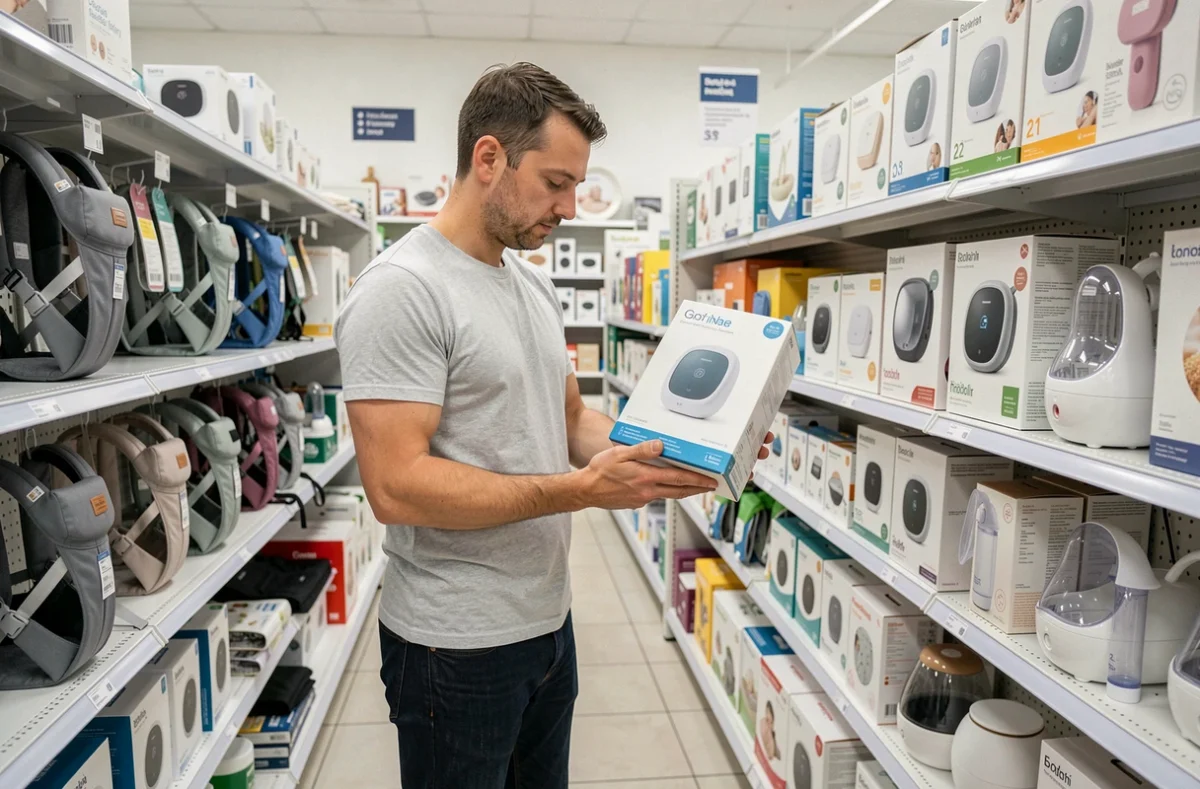
This finding raises a direct question for childcare facilities (nurseries, childminders) and parents who buy second-hand. A car seat or a travel crib purchased on a marketplace often escapes the recall circuit in the event of a safety alert. Without traceability, the buyer receives no notification.
The concrete points of vigilance when making an online purchase remain the same:
- Check for the presence of the CE marking and the lot or serial number in the photos of the listing, not just in the textual description
- Ensure that the seller clearly identifies the responsible manufacturer or European importer, in accordance with Regulation (EU) 2023/988
- Verify regulatory compatibility: a car seat must comply with the i-Size standard (R129) or at a minimum R44/04, and this information must be on the product label
- Exclude any equipment whose model has been subject to a recall by consulting official databases (Rappel Conso in France, Safety Gate at the European level)
Transformable and Multifunctional Products: What Sales Figures Reveal
The French childcare market is resisting the decline in births better than expected. According to Points de vente (September 2026), France shows better resilience than Germany and the United Kingdom in this segment. The explanation partly lies in a shift in parents’ budgets towards more expensive products designed to last.
3-in-1 strollers and “All-Size” car seats have seen an increase in their sales figures. This is not a craze for technological novelty: it is a cost amortization calculation. A car seat covering from birth until the end of the legal obligation (rear-facing then forward-facing) replaces two or even three successive purchases.
We recommend that early childhood professionals and distribution networks structure their offerings around this logic of prolonged use. A well-positioned transformable product captures a higher parental budget while reducing the renewal rate, which also limits the environmental impact of the sector.
Second-Hand Childcare Products and Equipment Donation: Safety Framework to Respect
The second-hand market is booming in the baby universe. This trend responds to both a budget constraint and a growing ecological sensitivity among young parents. The problem: the regulations governing new sales do not automatically apply to transactions between individuals.
A crib manufactured before the update of standards on bar spacing can circulate freely on a resale platform. A bouncer recalled by the manufacturer for a locking defect can end up for sale a few weeks later with no mention of the recall.
The criteria to check before accepting or purchasing second-hand equipment:
- Age of the product: standards evolve, and equipment older than ten years is likely no longer compliant with current requirements
- Condition of safety mechanisms: harnesses, folding systems, locks, Isofix attachments, all must function without play or visible wear
- Recall history: cross-reference the exact product reference (brand, model, lot number) with alerts published on Rappel Conso
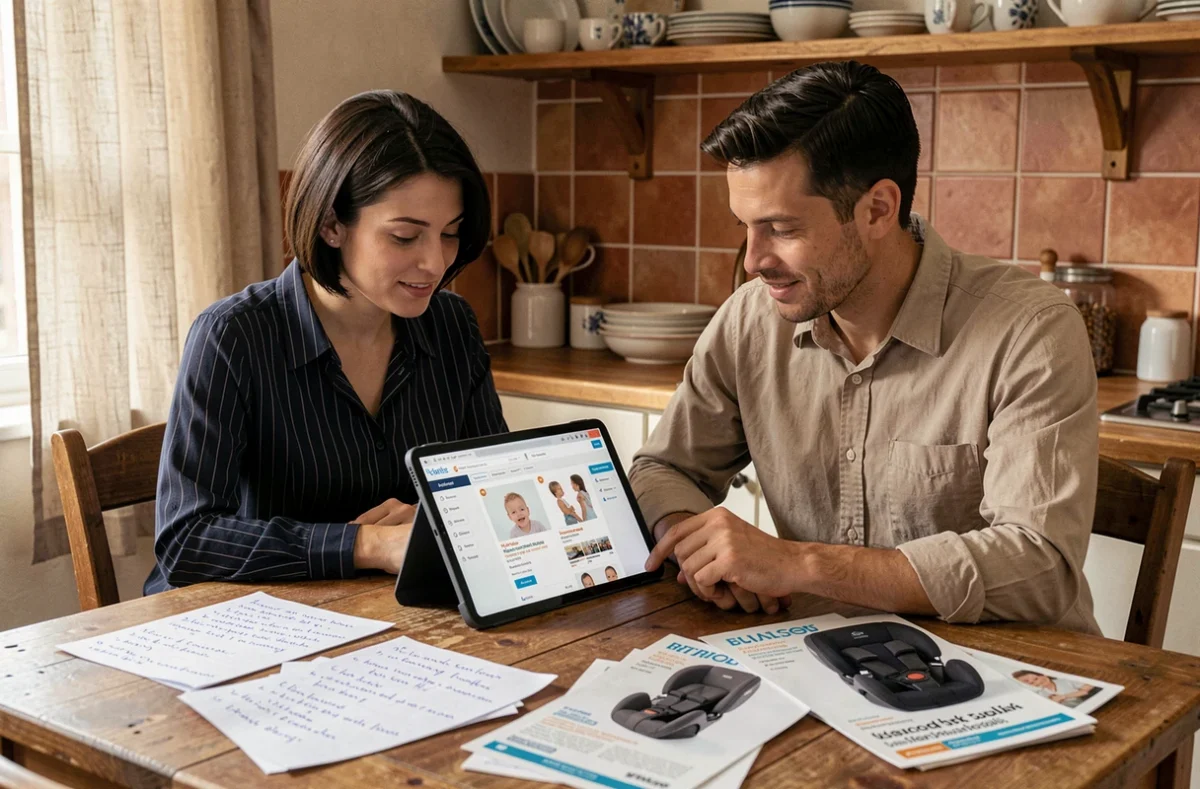
Childcare assistants in nurseries and teams in childcare facilities are on the front lines of this issue. Accepting a donation of equipment without verification means taking on the responsibility of the facility in the event of an incident. An internal control protocol, even a simplified one, remains the only reliable protection.
The childcare sector is no longer just a race for comfort innovations. Regulatory challenges, the reliability of online distribution channels, and the management of second-hand equipment now form the technical foundation upon which the safety of children in care, both in facilities and at home, rests.